

Berlin's Space Vision: From University Labs to Orbital Workshops
An Interview with Prof. Dr.-Ing. Enrico Stoll, Head of Space Technology at TU Berlin
Professor Stoll, TU Berlin established Germany's first chair for space technology in 1963. Today, the university is renowned for its small satellite missions and as a leading incubator for innovative startups. What are your current research priorities?
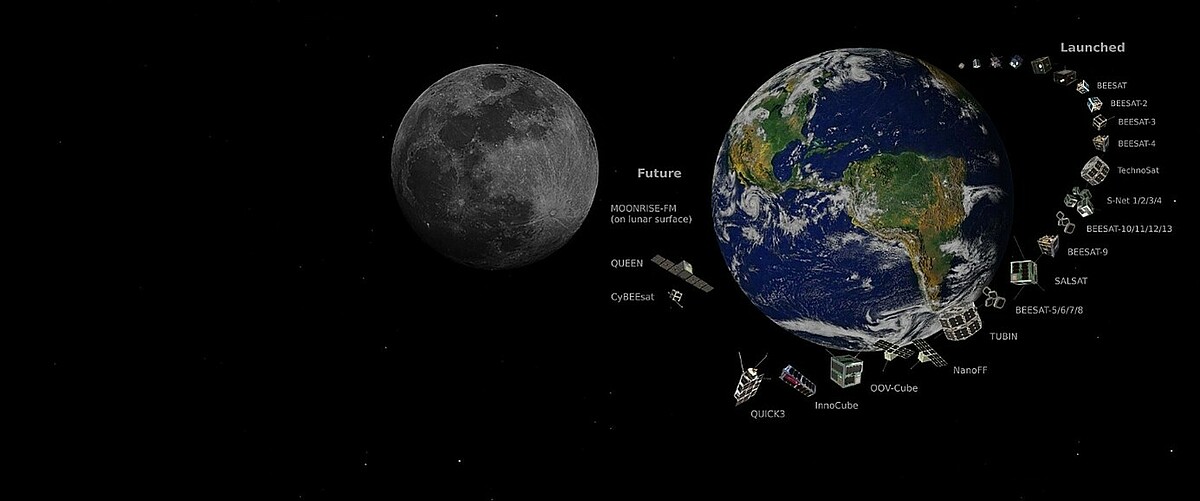
Our primary focus centers on satellite technology. For example, we currently operate two satellites that are testing coordinated formation flight capabilities. The next phase will incorporate rendezvous and docking maneuvers. Our ultimate goal is to develop small satellites equipped with robotic systems capable of performing orbital repairs and maintenance tasks.
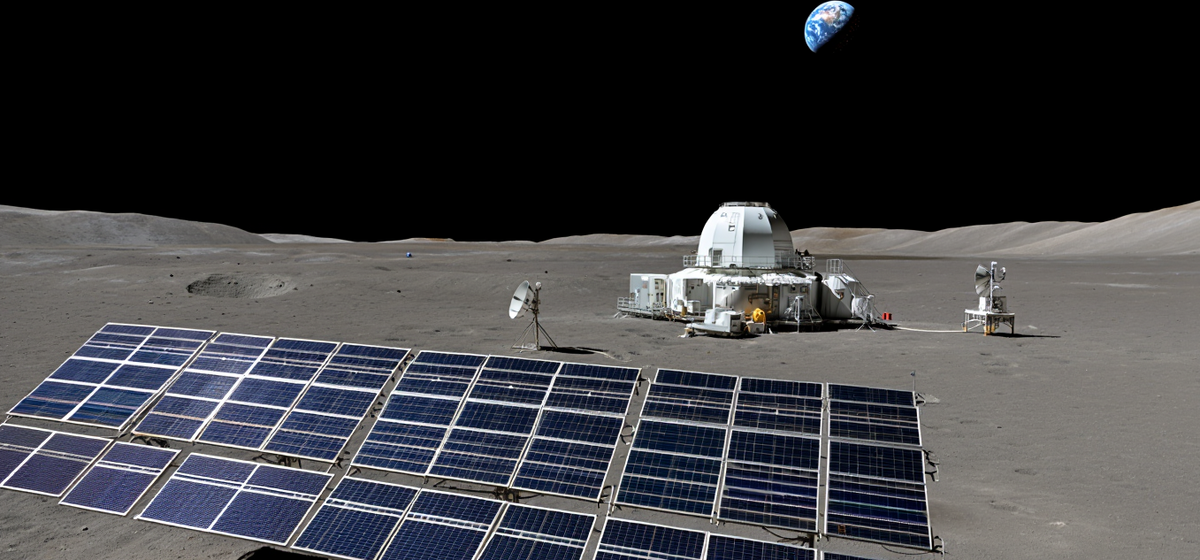
Lunar exploration represents our second major research thrust. We're developing technologies to harness local lunar resources—primarily regolith and potentially water ice—for in-situ manufacturing of structures, including human habitats.
What opportunities do you see for German space companies in the global marketplace?
Germany maintains world-class expertise in space R&D across multiple domains. Our challenge lies in translating this technical excellence into market success. The satellite industry is experiencing unprecedented growth, with increasingly cost-effective constellations opening new commercial applications daily. Germany has cultivated exceptional startups in this sector.
The critical factor is retaining this talent domestically, which hinges on access to capital. The funding landscape in the United States operates at an entirely different scale, with significantly greater investor appetite for space ventures.
What distinguishes Berlin as a space technology hub?
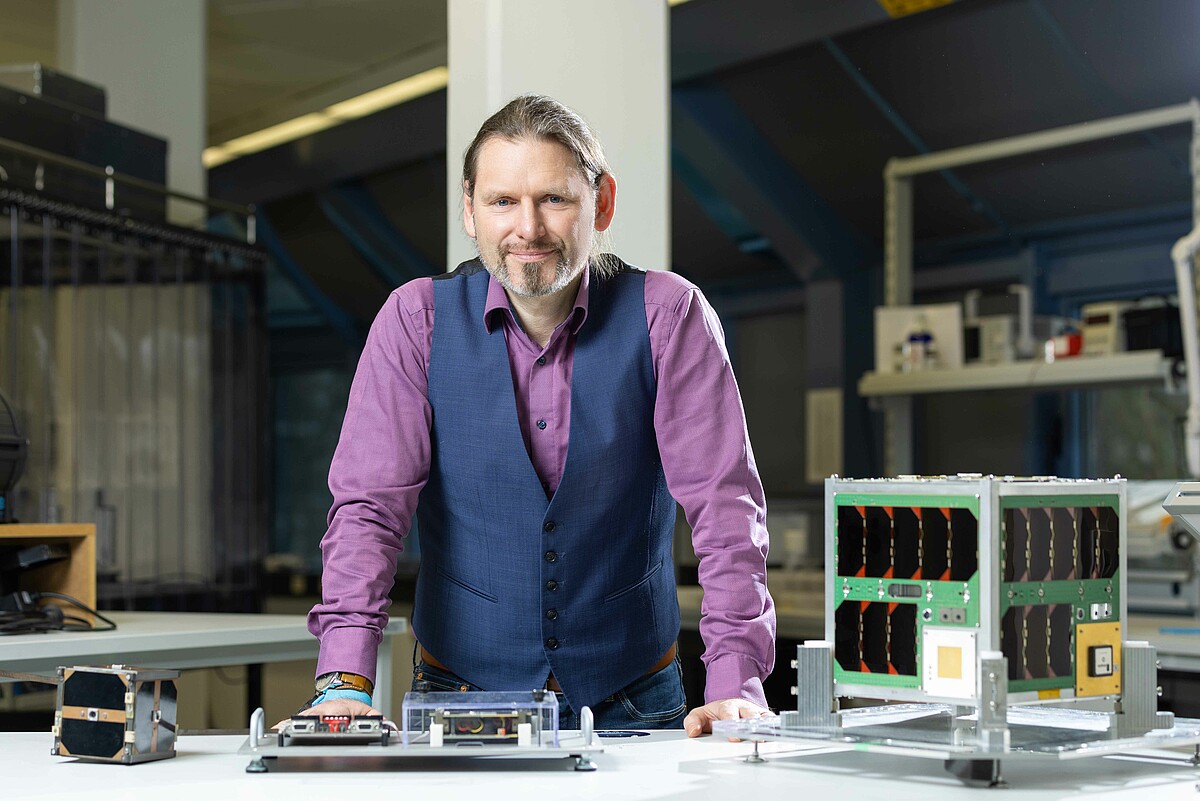
Berlin excels particularly in small satellite systems and their subsystems, leveraging deep local expertise across the entire value chain. Our startup ecosystem has developed specialized niches: some focus on satellite communications, others on structural components or attitude control systems like reaction wheels.
Notable spin-offs include Berlin Space Technologies (BST), which is scaling up for satellite mass production and constellation deployment. The ecosystem also includes NanoCube, Rapid Cubes, and German Orbital Systems.
In the downstream market, LiveEO has achieved remarkable success in infrastructure monitoring, while the American company Planet operates a control center on Ku'damm for its constellation of over 200 satellites.
NEUROSPACE presents an intriguing vision: developing compact, accessible rovers that could enable individual universities to conduct independent lunar research missions. Meanwhile, Exolaunch has established itself as a global leader in launch mission management, having deployed over 500 satellites to orbit.
These represent just a few examples of the many exciting companies thriving in Berlin's space ecosystem. This diversity demonstrates Berlin's comprehensive capabilities across the space value chain.
Is there still strong interest in aerospace among young people?
Absolutely. Our Aerospace Master's program attracts tremendous interest, with approximately 70 positions available annually. Competition for our international Master's program is particularly intense—we receive 200 applications for just 20 positions. The demand clearly exceeds our capacity.
Industry absorption of our graduates is immediate and complete. The job market demand far outstrips supply.
Our educational approach emphasizes hands-on experience. Within my department alone, 25 to 30 students hold active employment contracts while contributing to ongoing satellite projects. Perhaps most remarkably, our students independently operate satellites from completed research projects through student-led mission control groups, enabling them to conduct original research with operational spacecraft. This continued operation is invaluable—it would be a waste to abandon these satellites and miss the opportunity to gather additional data and generate new insights from their missions.
Looking ahead, what developments would you most like to witness?
I envision two transformative capabilities. First, an orbital "AAA service"—autonomous robotic systems capable of spacecraft repair, space-based construction, and debris removal. This would ultimately evolve into comprehensive orbital workshops with integrated parts warehouses. Such space-based manufacturing would offer significant advantages: satellites and their components would no longer need to be over-engineered to survive the extreme conditions of rocket launch. Additionally, existing satellites could be upgraded with new modules and given extended operational lives.
Second, a sustainable lunar outpost supporting long-term human habitation and industrial activity. Residents could establish energy infrastructure by converting lunar regolith into glass substrates, then applying ultra-thin perovskite coatings. This breakthrough technology could transform a single kilogram of Earth-launched perovskite into solar arrays spanning two football fields—revolutionizing space-based power generation through local resource utilization.
---
Header image: Reve AI