

Driving Translation in Biotech
As Bayer Co.Lab Berlin celebrates its first anniversary, Berlin is working intensively to bring together the structures needed to turn breakthrough research into breakthrough treatments.
This month marks a milestone for Berlin's biotech ambitions: Bayer Co.Lab Berlin celebrates its first anniversary. Since opening its doors a year ago, the incubator has become a vital part of Bayer's strategic commitment to developing Berlin as a leading innovation hub for life sciences. Recently, another significant step forward occurred with the groundbreaking ceremony for the Berlin Center for Gene and Cell Therapies (BCGCT), a project committed to the same fundamental goal of developing innovative therapies, but with a highly specialized focus on gene and cell therapies.
Together, these initiatives demonstrate Berlin's determination to bridge what researchers call the "translation gap" - the vast chasm between laboratory results and actual treatments reaching patients.
The Translation Challenge
Here's the reality: breakthrough science doesn't automatically become medicine. Between the lab and the patient lies a maze of regulatory hurdles, manufacturing challenges, and business complexity that kills most promising therapies before they ever reach a clinical trial.
Startups - the nimble, ambitious teams that often drive real innovation - typically lack the infrastructure, expertise, and manufacturing capacity to turn their discoveries into actual medicines. They hit a wall before they can scale, and their work stalls.
Ruth Shah, Head of Bayer Co.Lab Berlin, puts it bluntly: "Young startups, especially founding teams that have never developed a medicinal product before, definitely need the support, the advice and the collaborations of experienced players in the life sciences field. And that's where big names like Bayer and other pharmaceutical companies come in."
Bayer Co.Lab: One Year of Strategic Innovation
Bayer Co.Lab Berlin represents a strategic pillar of how Bayer drives external innovation globally. The incubator is part of a worldwide network that includes facilities in Cambridge (USA), Kobe (Japan), and Shanghai (China). Bayer Co.Lab focuses on breakthroughs in cutting-edge fields aligned to Bayer's global research strategies and connects startups with world-class expertise from within Bayer and beyond, resources, and, importantly, global networks.
Embedded within Bayer Pharmaceutical's global headquarters campus in the Nordhafen district, Co.Lab Berlin has quickly become a hub for early-stage life sciences startups. The incubator welcomes companies working across diverse therapeutic modalities, including traditional small molecules, covalent small molecules, targeted radiotherapy, peptides, bifunctionals, degraders, protein therapeutics, and gene and cell therapies.
Co.Lab Berlin isn't your typical corporate incubator. While recruitment is aligned to Bayer’s strategic research interests and potential deeper partnership is on the table, Bayer explicitly doesn't take equity stakes, demand IP rights, or exert control over resident companies. "Bayer Co.Lab is a completely no strings attached model," Shah emphasizes. "We don't take any shares in the company. We don't demand any rights to the technology or the programs or the IP and that's really intentional because we truly believe that flexibility is key at this very early stage of innovation."
The facility offers ready-to-use and state-of-the-art lab pods, shared laboratory equipment, co-working office space, mentoring, exclusive educational programming, networking events, and direct access to both Bayer's global expertise and the broader Berlin biotech ecosystem, including connections to venture capital firms. The comprehensive offering is tailored to the needs of each startup and ensures its tenants can operate in a lean and focused manner.
Bayer Co.Lab Berlin actively welcomes applications from startups working across its focus areas. Founding teams with innovative approaches can apply at any time to tap into Berlin's opportunities and grow alongside the Bayer campus in a supportive, world-class environment.
Unboxing the Future Berlin in conversation with Ruth Shah, Head of Bayer Co.Lab Berlin
The Berlin Center for Gene and Cell Therapies: Building on Excellence
While Bayer Co.Lab addresses translation challenges across multiple therapeutic areas, the Berlin Center for Gene and Cell Therapies takes aim at a particularly complex frontier: advanced therapies.
Gene and cell therapies - known in the industry as Advanced Therapy Medicinal Products, or ATMPs - are treatments based on genes, tissues, or cells, often containing living components. These "living medicines" represent a genuine revolution in how we treat cancer, autoimmune diseases, neurodegenerative conditions, and rare genetic disorders that have long resisted conventional medicine. Yet for all the scientific breakthroughs, these therapies have remained frustratingly out of reach for most patients.
Berlin has been quietly building one of Europe's strongest ecosystems for biomedical innovation in this field. The Charité - one of the continent's leading research hospitals - runs one of Europe's largest stem cell platforms and has already deployed CAR-T cell therapies in patients. The Berlin Institute of Health (BIH) and the Max Delbrück Center (MDC) push the frontiers of translational research daily. Between them, these institutions have contributed to Germany's National Strategy for Gene and Cell-Based Therapies, designed to accelerate the path from lab to clinic.
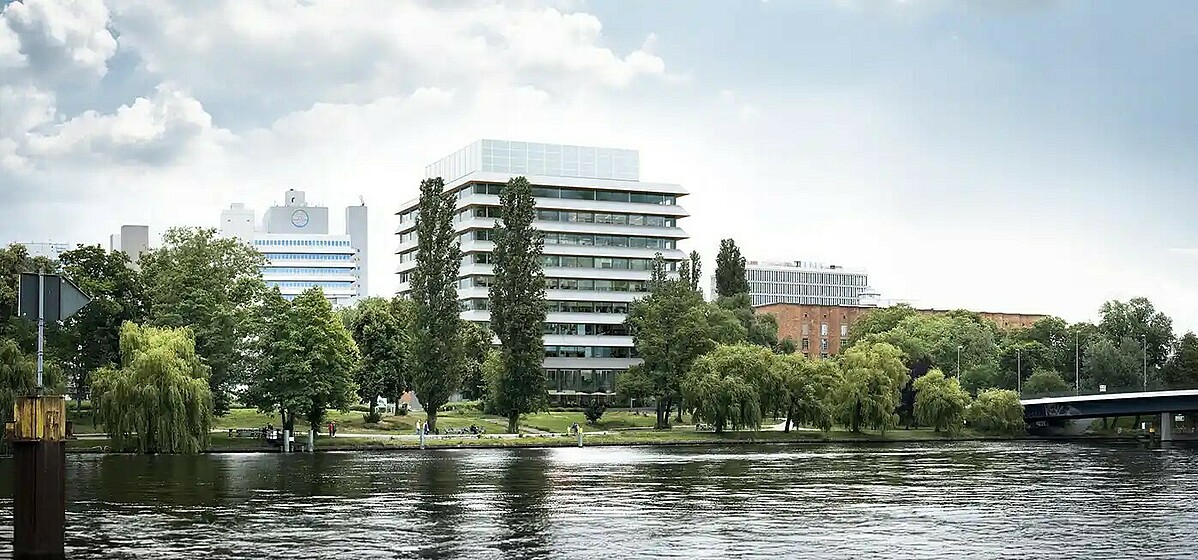
Building on this scientific excellence, Bayer and the Charité joined forces with the Berlin Institute of Health in a public-private partnership to create something unprecedented. The Berlin Center for Gene and Cell Therapies will be situated between Bayer's campus and the Charité, both geographically within Berlin and conceptually as a translation center bridging academic research and pharmaceutical development.
The center will split into two main components. The first is an incubator offering fully equipped laboratory and office space for 15 to 20 startups at various development stages. The second is a GMP-certified production facility - that's "Good Manufacturing Practice" in regulatory speak - where these experimental therapies can be manufactured to pharmaceutical standards. Berlin-based contract development and manufacturing organization ProBioGen has been appointed to operate the GMP facility, bringing decades of expertise in biologics production to the project.
In November 2024, Charité and Bayer launched their joint venture (CGT Incubator GmbH), combining their unique capabilities in clinical excellence and drug development to operate the incubator. This collaboration enables the construction of a dedicated center designed to translate groundbreaking research in gene and cell therapies into impactful therapeutics through an innovative public-private partnership.
"The Berlin Center for Gene and Cell Therapies is meant to serve as a launchpad for CGT startups from Berlin and beyond," explains Dr. Marion Hitchcock, Managing Director of the Gene and Cell Therapies Incubator Berlin. “Our mission is to create pathways from academic research to scaling and clinical application, as well as to foster scientific exchange across the globe. We warmly welcome all CGT-Innovators to join us at BCGCT!”
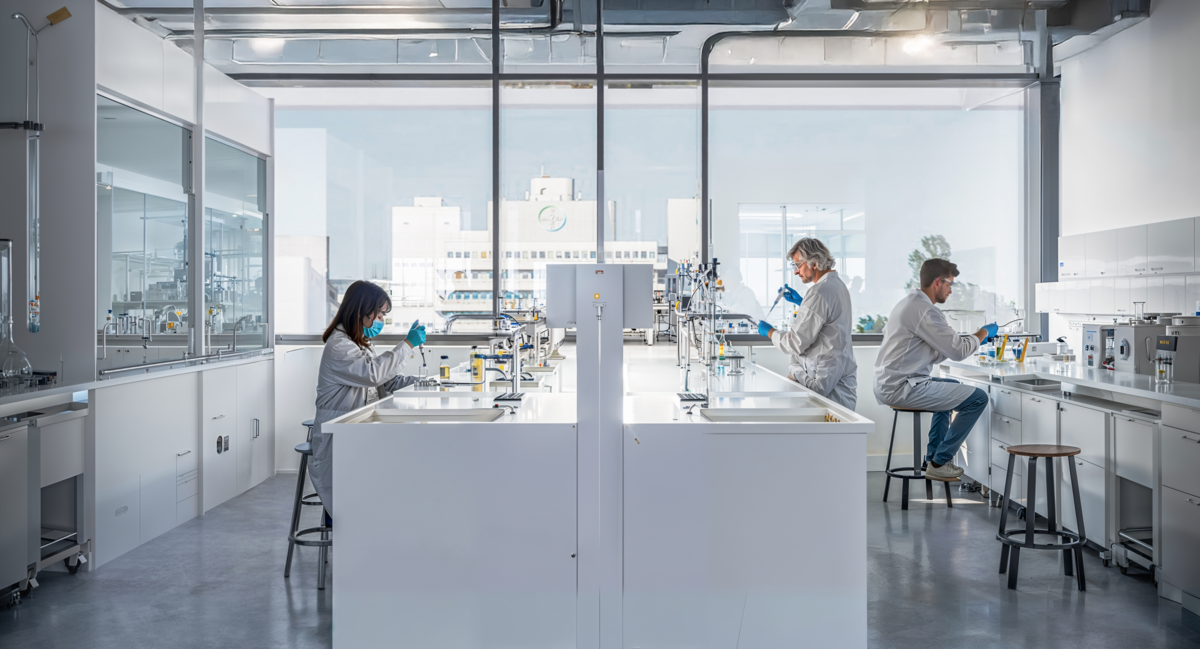
For startup founders working on gene and cell therapies, this is genuinely transformative. They'll get access to state-of-the-art laboratories, office space, and shared community areas. More importantly, they'll have direct access to Bayer's global expertise in R&D, manufacturing, regulatory affairs, and clinical development, as well as the Charité's clinical excellence. They'll learn from mentors who've actually navigated the brutal world of bringing cell therapies to market. And crucially, they can begin scaling their production processes early, working with GMP specialists right in the same building, rather than discovering manufacturing nightmares years into development.
"Especially in the field of gene and cell therapies, production still poses a major challenge because these are relatively new technologies," explains Hitchcock. "Our GMP manufacturing facility in the same building enables startups to develop and optimize the production process with the appropriate experts at an early stage."
iQ Spaces Berlin Mitte: A Comprehensive Ecosystem by 2028
The Center will be located in a building developed by iQ spaces. The building will become home not only to the BCGCT incubator and GMP facility but also to an expanded, state-of-the-art Bayer Co.Lab facility and mid-sized biotech companies working across diverse fields. This convergence will create a comprehensive hub for cutting-edge biopharma innovation right in the heart of Berlin, positioned between the Bayer campus and the Charité.
With its planned opening in 2028, it will mark a significant expansion for Berlin's biotech ecosystem.
Berlin's Gene and Cell Therapy Ecosystem
The momentum around gene and cell therapies in Berlin extends well beyond any single institution. Among the startups already calling Bayer Co.Lab Berlin home are MyoPax and Captain T Cell, both working on advanced cell therapies.
MyoPax, a spinoff from the Charité and Max Delbrück Center, has developed a patented method for isolating and cultivating regenerative muscle stem cells. From just a few grams of tissue, they can produce over 100 million pharmaceutical-grade stem cells. The company is working on treatments for local muscle defects and muscular dystrophies—conditions where conventional medicine has little to offer.
Captain T Cell is pioneering next-generation TCR-T therapies for solid tumor patients. Spun out from the Max Delbrück Center in 2024 and backed by a strong consortium of life-sciences venture capital firms, the company's lead candidate will enter clinical trials in 2027, with studies coordinated by the Charité and supported by eight leading German university hospitals. They're tackling one of cancer immunotherapy's toughest challenges: making cell-based treatments more durable, easier to manufacture, and scalable.
Across Berlin-Brandenburg, many more companies and research groups are working on similar challenges. BlueRock Therapeutics, Cellbricks, CellDot, CheckImmune, CO.DON, Epiblok Therapeutics, GQ Bio Therapeutics, Pantherna Therapeutics, T-knife Therapeutics, and TheryCell are all pushing the boundaries of what cell and gene therapies can do. These aren't isolated efforts - they're part of a coherent, connected ecosystem supported by academic institutions, government funding, and increasingly, by strategic corporate partnerships like Bayer's.
Initiatives like JOIN4ATMP (coordinated by the Charité) are simplifying the regulatory pathway for advanced therapies across Europe. The GCT Germany network is fostering collaboration and entrepreneurship at the national level, including the GeneNovate program, which launched as a pilot in Berlin.
Berlin's Global Position
Gene and cell therapies represent genuine hope for patients with diseases that conventional medicine can barely touch: severe inherited genetic disorders, certain cancers, degenerative conditions of the nervous system. Yet despite intensive research efforts globally, only a handful of these therapies have been approved for use in Europe. The gap between scientific promise and clinical reality remains expensive, dangerous, and - for patients - heartbreaking.
By bringing together elite researchers, ambitious startups, manufacturing expertise, and regulatory know-how, Berlin is positioning itself to compete at the forefront of biomedical innovation internationally. The city is creating an ecosystem where translation from research to treatment becomes not just possible, but probable - offering extraordinary opportunities for startups and talent from around the world. By 2028, when iQ Space Berlin Mitte opens its doors, Berlin will have established itself as a place where scientists, entrepreneurs, and industrial partners work toward breakthrough treatments for patients who are still waiting for therapies that don't yet exist.